




About Us
Who We Are

National Institutes of Health is one of the most prestigious institutions of the country involved in multi disciplinary public health related activities like diagnostic services, research and production of various vaccines for over 40 years.
The idea of establishing a National Health Center (NHC) was conceived in early 1960’s, which started functioning in 1965 at Islamabad. Directorate of Nutrition Survey and some other health related research organizations were shifted to NHC. Later on, all these independently working departments were integrated and designated as National Health Laboratories (NHL – Islamabad).
This organization was given the status of an autonomous organization as National Institutes of Health (NIH) under the Ministry of Health (MoH) through a presidential ordinance XLIII of 1980, to facilitate international and regional collaboration, seek technical assistance and participate in global disease control programs more effectively.
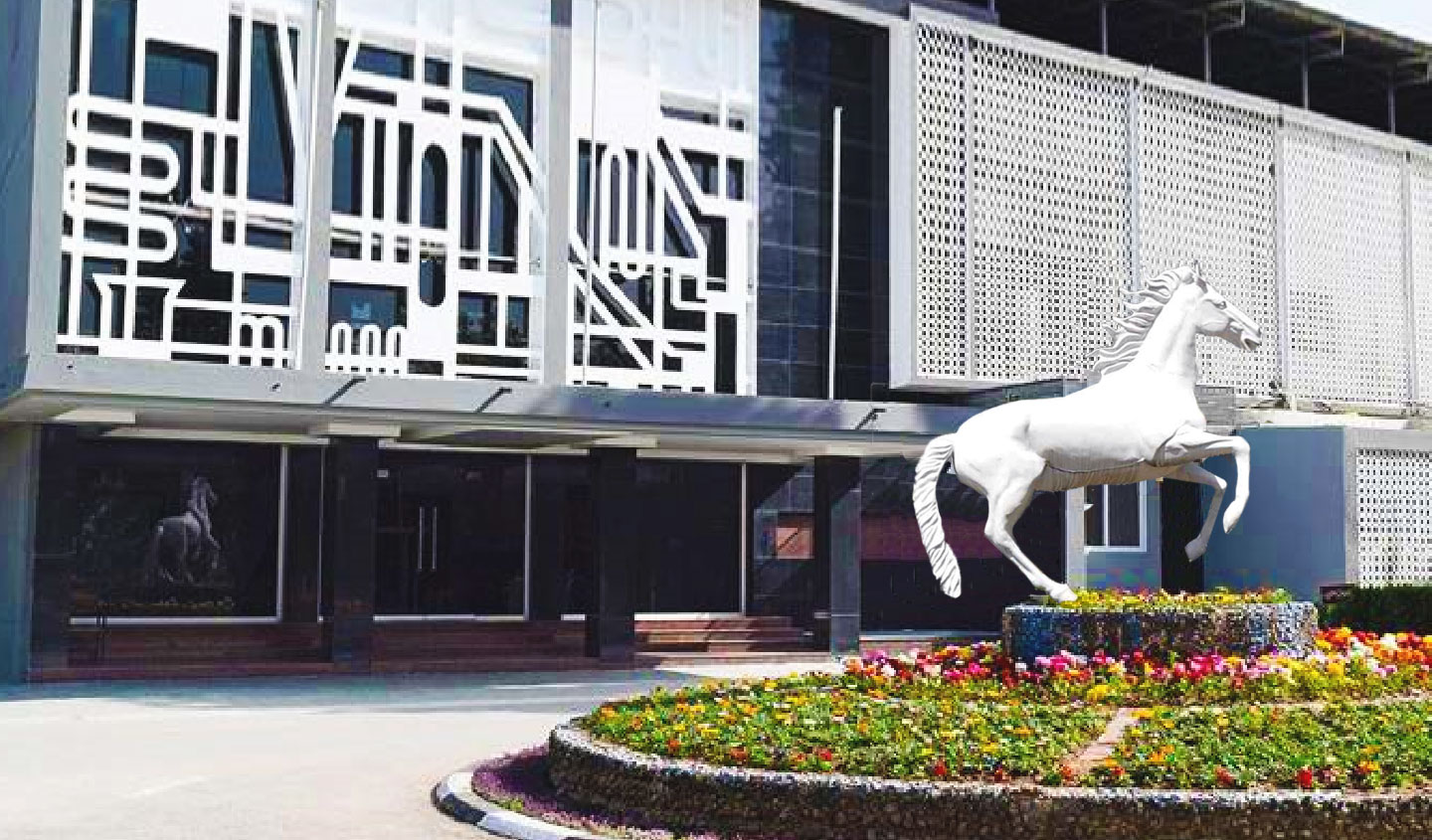
Front View of NIH
Since its emergence as an autonomous organization, it has made numerous developments in the field of laboratory diagnosis, biological manufacturing, food and drug quality control, research & development and training facilities. The institute is actively involved in the laboratory and field investigation of infectious diseases including the etiology and epidemiology. Emphasis has also been laid on human resource development and capacity building for the benefit of the institute in particular and benefit of the public in general.
The institute is a WHO collaborating center for viral diagnostics and regional reference laboratory for polio, in addition to being a national reference center for diagnosis of Influenza. It also works as the National Appellate Laboratory for quality control of drugs and is the public analyst laboratory for the quality control of food for the federal territory, Islamabad. NIH also conducts numerous international, regional and national seminars, symposia and other related activities.
The Board of Governors provides strategic direction and oversight to the National Institutes of Health. Its members are drawn from medicine, public health, laboratory sciences and academia, bringing decades of national and international leadership to the institute’s mandate.
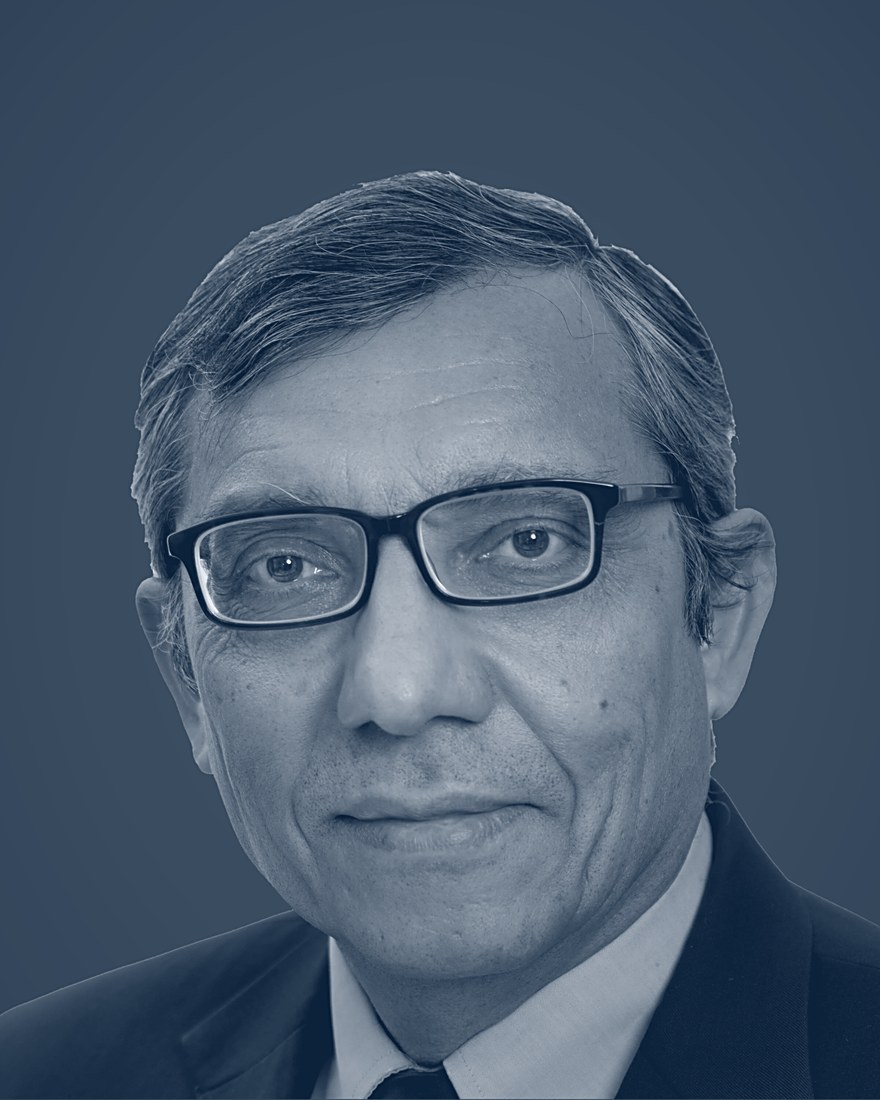
Distinguished University Professor, Aga Khan University
Founding Director, Institute for Global Health and Development, Aga Khan University; Robert Harding Inaugural Chair in Global Child Health, Hospital for Sick Children Centre for Global Child Health, Toronto.
Dr. Zulfiqar Bhutta is the Distinguished University Professor and Founding Director of the Institute for Global Health and Development at the Aga Khan University and Robert Harding Inaugural Chair in Global Child Health at the Hospital for Sick Children Centre for Global Child Health — unique joint appointments. He is the Lawson Centre Distinguished Fellow in Climate Change, Food Systems and Child & Adolescent Nutrition at the University of Toronto and holds adjunct professorships at several leading universities globally, including Johns Hopkins University, George Washington University, Boston University, Karolinska Institute and the London School of Hygiene & Tropical Medicine.
His research interests include maternal, newborn and child health, nutrition, and the interface of climate change, health and development. He leads large research groups based in Canada, Pakistan and East Africa with a special interest in research synthesis, scaling up evidence-based interventions in community settings and implementation research in fragile health systems. Dr. Bhutta served as the Chairman of the Board of Governors of the National Institutes of Health, Pakistan from 2021 to 2024.
Over the years, his work has influenced the field of global child health and nutrition policy in several agencies of the United Nations and development agencies. He is one of the most highly cited academics in global health, ranked among the top 1% of Highly Cited Researchers since 2013 and ranked 13th globally in the Everton Health Policy impact index 2025. His global recognition includes election to the National Academy of Medicine USA, the Royal Society of London and the International Science Council.
He is a Roux Prize 2021 Laureate for evidence-based public health impact and received the 2022 John Dirks Canada Gairdner Global Health Award as well as the Virchow Prize 2025 for his contributions to the promotion of equity in global maternal and child health. He is a recipient of several awards from Pakistan — Tamgha-i-Imtiaz (2001), Pride of Performance (2016) and Sitara-i-Imtiaz (2024). In 2024 he was appointed an Officer of the Order of Canada for services to global maternal and child health, the first Pakistani to be so recognised.
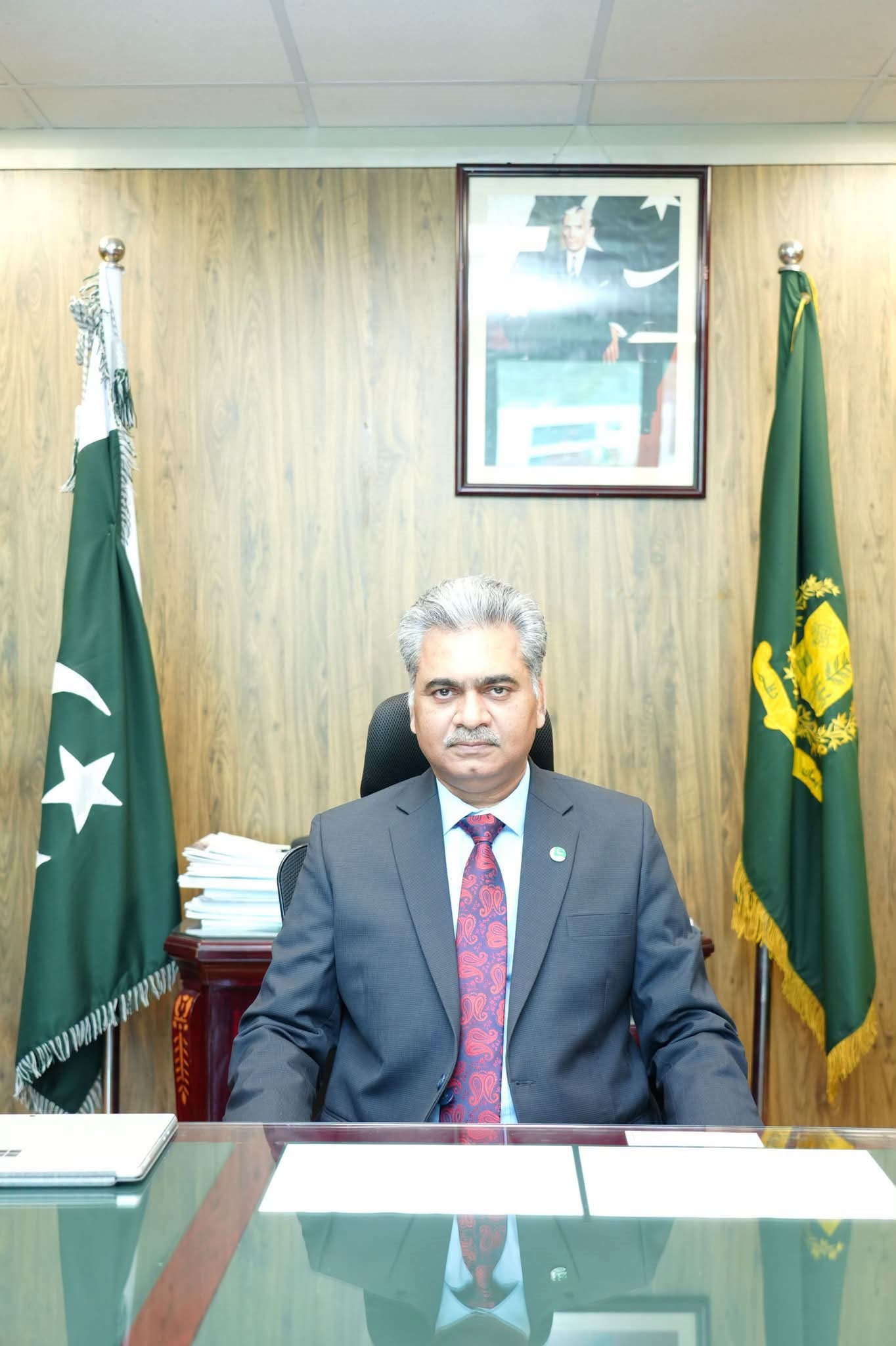
Federal Secretary, Ministry of National Health Services, Regulations and Coordination.
Muhammad Aslam Ghauri is a senior civil servant belonging to the 21st Common of the Secretariat Group, currently holding the post of Secretary, Ministry of National Health Services, Regulations & Coordination, and Government of Pakistan. With a distinguished career spanning over three decades, he has held key leadership positions across federal and provincial governments, particularly in finance, health, governance, and public administrationHe is presently serving as Secretary (BS-22) in the Ministry of NHSR&C, and has previously served as Special Secretary Ministry NHSR&C, Special Secretary and Additional Secretary in the Finance Division (Military Finance), as well as Joint Secretary at the federal level. At the provincial level in Sindh, he has served as Secretary of multiple departments including Environment, Information, and Training Management & Research, along with leadership roles such as Director General, Sindh Coastal Development Authority, and Managing Director, Sindh Public Procurement Regulatory AuthorityMr. Ghauri also has international experience, having served as Community Welfare Attaché/Consul Welfare at the Consulate General of Pakistan in Barcelona, SpainAcademically, he holds an M.Sc. in Social Policy and Planning in Developing Countries from the London School of Economics and Political Science (UK), an MBA (IT) with Gold Medal from SZABIST, an M.A. in Islamic Culture, and a Bachelor’s degree in Electronics Engineering from NED University of Engineering & TechnologyHe brings to the Board extensive expertise in public sector governance, financial management, regulatory frameworks, and institutional development.
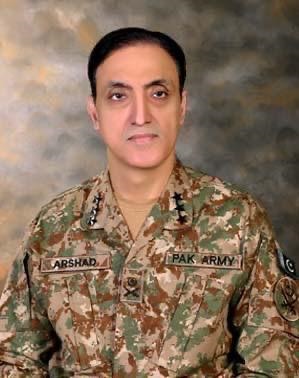
Surgeon General/ Director General Medical Services ( Inter Services ) Medical Directorate, AG Branch GHQ Rawalpindi.
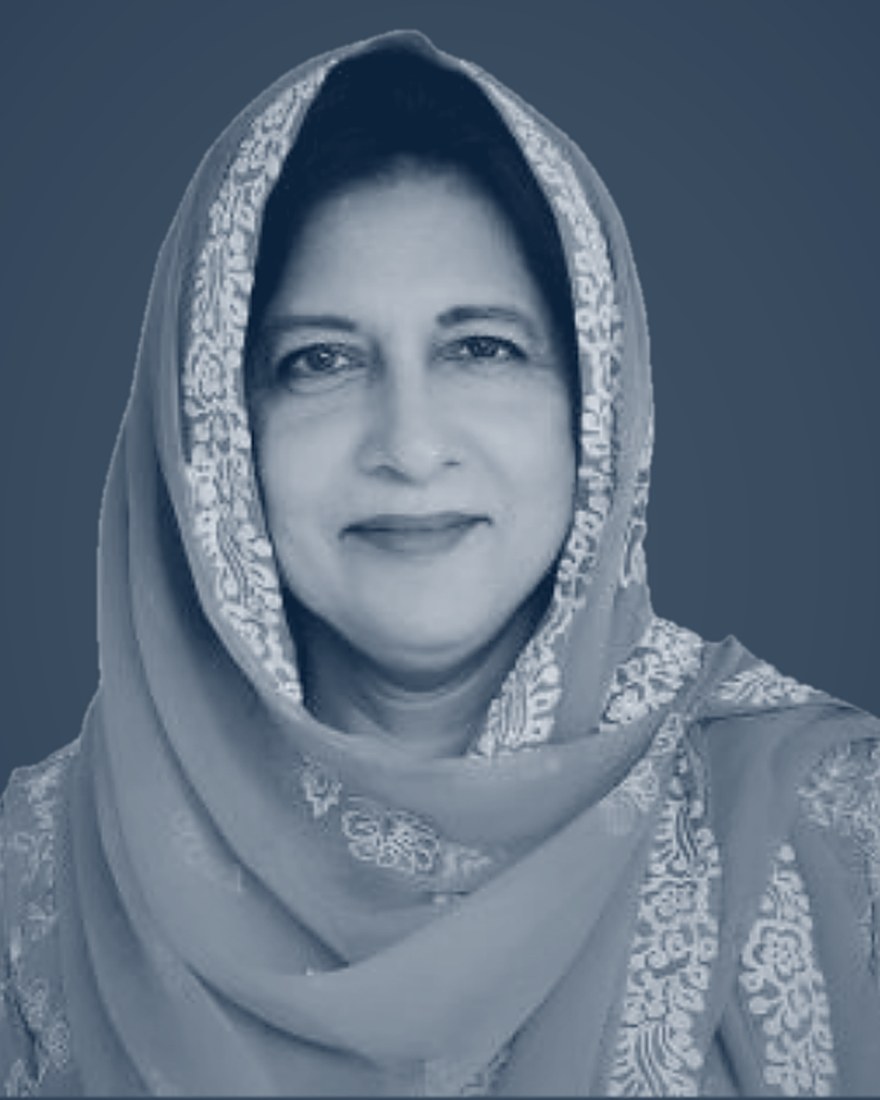
MBBS, MPhil (Histopathology)
Professor and Head of Pathology (Retd), Punjab Institute of Cardiology and Allama Iqbal Medical College, Lahore.
Prof. Ambereen Anwar Imran brings over 35 years of experience in pathology, serving with the Specialised Healthcare and Medical Education Department, Punjab. She has held the posts of Professor and Head of Department at the Punjab Institute of Cardiology, Lahore and Allama Iqbal Medical College, Lahore, and served as Assistant and Associate Professor at the Post Graduate Medical Institute, Lahore.
An Allama Iqbal Gold Medallist, she topped multiple professional examinations as well as the PPSC selection in 2015. She is the first author of the book Challenges in Dermatopathology, now in its third edition, and has published more than 80 peer-reviewed articles.
She has supervised postgraduate students, served as an examiner for the University of Health Sciences and other medical universities, and was assigned by the Specialised Healthcare and Medical Education Department, Punjab, to chair the PVMS Committee for Pathology, upgrading the schedule after several years.
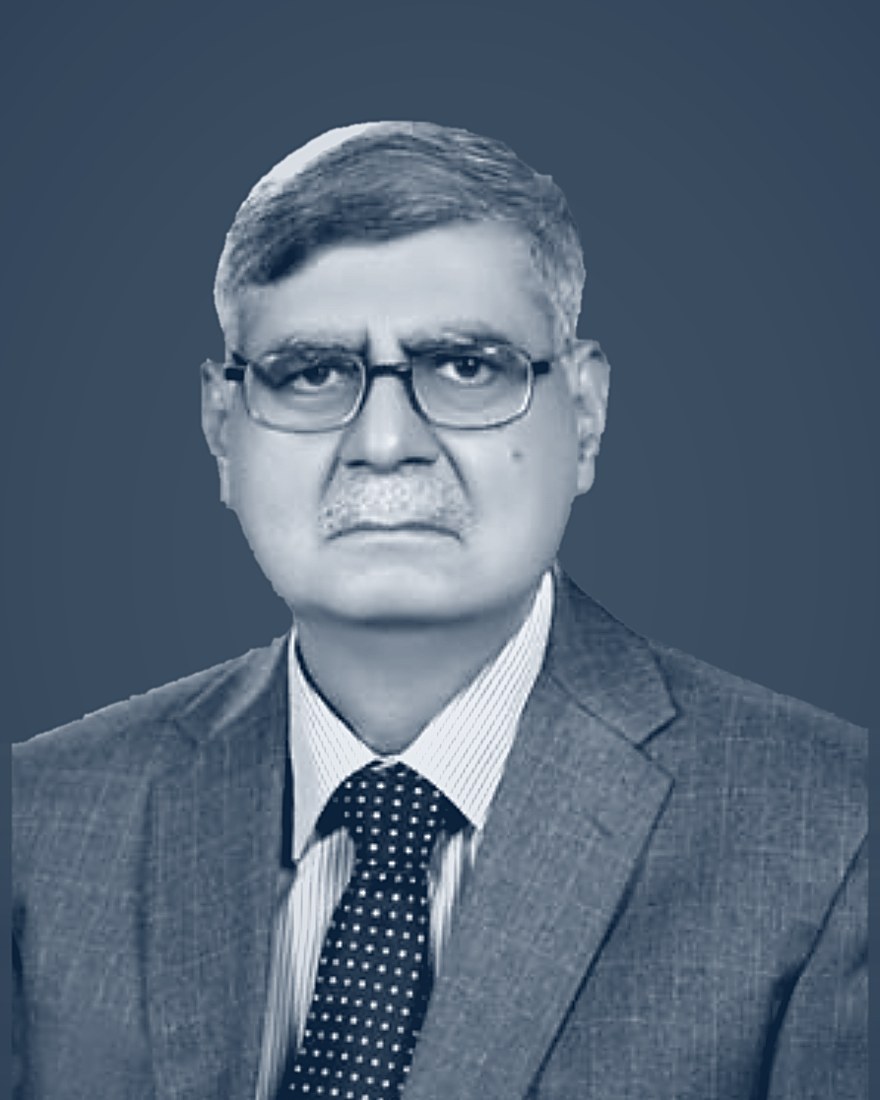
Clinical Haematology & Bone Marrow Transplantation
Director BMT, Quaid-e-Azam International Hospital, Islamabad; Medical Director, PATHWEL Center of Hematology and BMT, Rawalpindi; Visiting Consultant Hematology & BMT, Gambat.
Prof. Dr. Parvez Ahmed is one of the pioneers of clinical haematology and bone marrow transplantation (BMT) in Pakistan. He served as a haematologist and transplant physician at the Armed Forces Bone Marrow Transplant Centre, Pakistan’s largest BMT facility, from its establishment in 2001. He was Medical Director of the centre from 2009 to 2016 and subsequently served as Medical Director of the Armed Forces Institute of Pathology from 2016 until his retirement in 2017.
After retirement, he established successful BMT programmes at Quaid-e-Azam International Hospital, Islamabad; the Center of Hematology and Bone Marrow Transplant at Gambat Institute of Medical Sciences; the PATHWEL Center of Hematology and BMT in Rawalpindi; and the BMT Center at Pakistan Kidney and Liver Institute, Lahore. These initiatives have significantly expanded access to advanced haematology and transplant services in the country.
Prof. Ahmed is the Founding President and Patron-in-Chief of the Pakistan Blood and Marrow Transplant (PBMT) Group and has established collaborations with international transplant registries and research organisations. He has mentored numerous postgraduate trainees and PhD scholars, including several recipients of international haematology training awards. He is a former President of the Pakistan Society of Hematology, heads the Clinical Hematology Committee of the College of Physicians and Surgeons Pakistan, and is a Member Emeritus of the American Society of Hematology.
He has presented research at national and international forums and has authored more than 100 scientific publications. In recognition of his contributions to haematology and transplantation, he received the Distinguished Services Award in 2026 from the International Blood and Marrow Transplant Research group and a Lifetime Achievement Award from the Pakistan Society of Hematology.
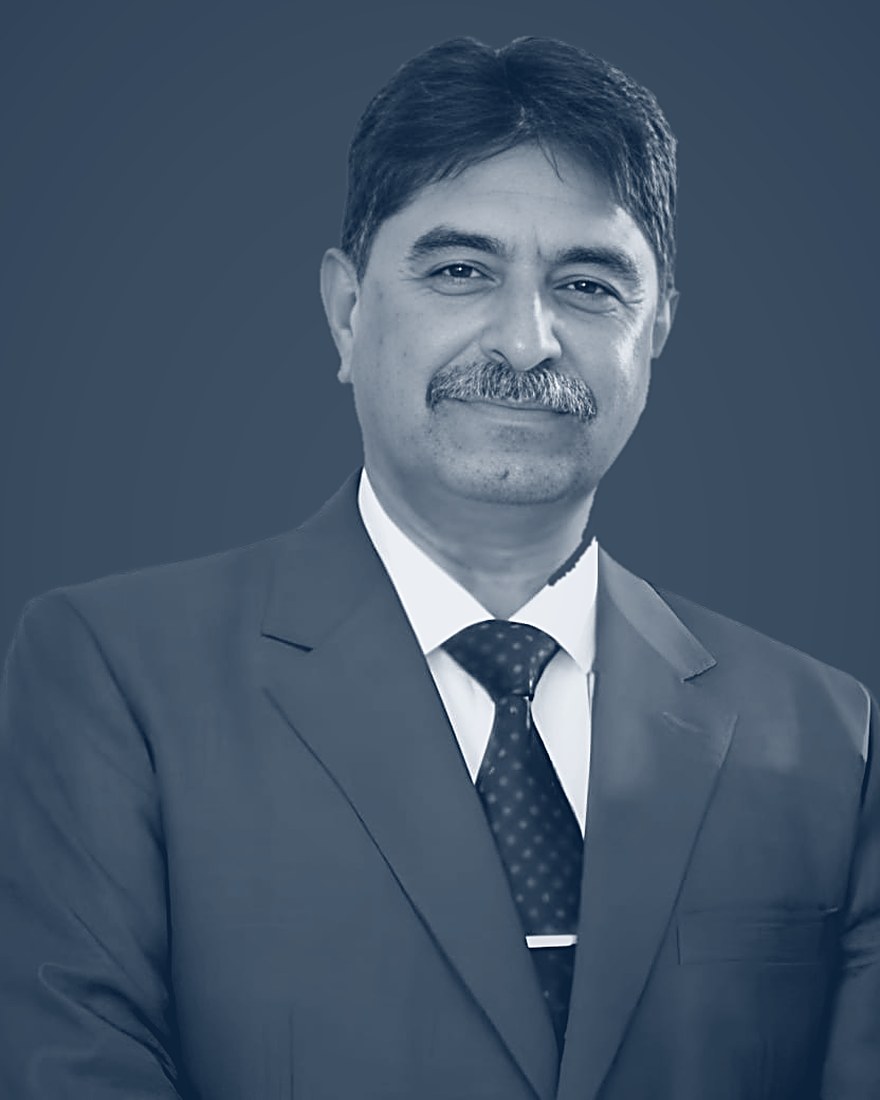
MCPS, FCPS, FRCP (Ireland), PhD, MCPS-HPE
Dean, National University of Medical Sciences (NUMS) and Armed Forces Post Graduate Medical Institute (AFPGMI), Rawalpindi; founding Principal, Bahria University College of Medicine, Islamabad.
Maj Gen (R) Prof Irfan Ali Mirza is a pathologist and microbiologist, medical educator and researcher with over three decades of distinguished service across the hospitals of the Armed Forces — Army, Navy and PAF. He played a pivotal role in the upgradation of clinical laboratory and microbiology facilities in multiple hospitals, several of which were subsequently accredited by the College of Physicians and Surgeons Pakistan (CPSP) for the Microbiology Fellowship programme, and has supervised more than 50 postgraduate trainees for FCPS, MPhil and PhD qualifications.
During his professional service he was deployed to the United Nations Mission in Sierra Leone, where his active involvement in the containment of a Lassa fever outbreak contributed to critical public health efforts in the region. He has represented Pakistan at multiple international forums in the United States, Germany, Thailand and Egypt, participating in bilateral exchange programmes and biosafety and biosecurity engagements.
He has maintained an active research profile throughout his career, with approximately 150 research papers published in national and international journals, a portion of which was conducted in collaboration with hospitals in the United Kingdom. He has presented at national and international conferences as a researcher, invited speaker and keynote speaker, served as Managing Editor of the Pakistan Journal of Pathology for five years, and has been a Lead Facilitator for the supervisory workshops of the CPSP since 2016.
He has organised multiple national and international conferences in the fields of medical microbiology and infectious diseases, including the prestigious Military Medical Conference of SCO Countries held in Islamabad in 2024. As Head of the Department of Microbiology at the Armed Forces Institute of Pathology (AFIP) from 2019 to 2024, he significantly upgraded the department through the introduction of molecular diagnostics for infectious diseases and successfully introduced the Antimicrobial Stewardship Programme across Armed Forces hospitals throughout Pakistan. He was appointed Dean of AFPGMI from 2023 to May 2024 in recognition of his extensive contributions to postgraduate medical training and institutional leadership.
In 2024 he played a founding role in the establishment of Bahria University College of Medicine (BUCM), Islamabad, serving as its founding and pioneer Principal. Under his leadership, BUCM became the first medical college to be accredited by the Pakistan Medical and Dental Council (PMDC) under the 2024 standards, achieving a record accreditation score of 97.48%. He has served as Dean of the Armed Forces Post Graduate Medical Institute, Rawalpindi, since 2025, continuing to shape the future of postgraduate medical education in Pakistan.
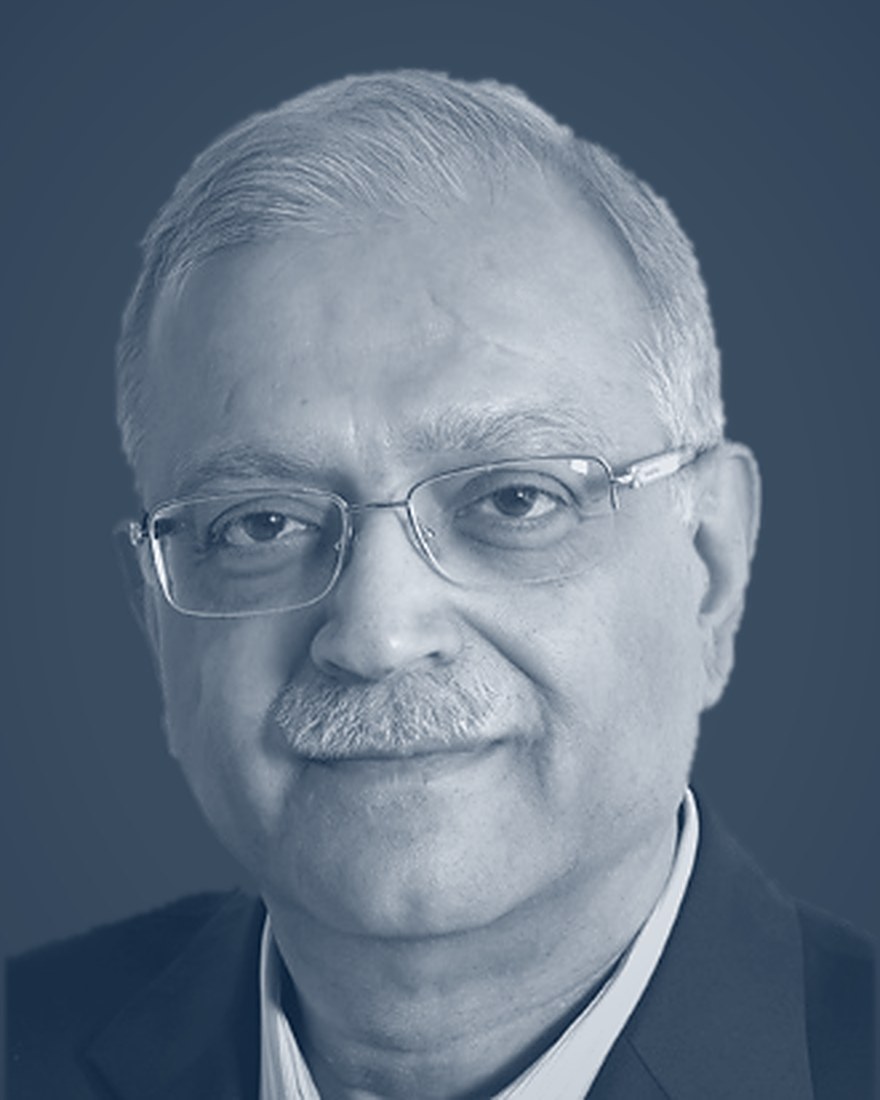
MBBS, FRCP, FRCPI, FACP, FACG, FAASLD — FAIMER Fellow 2012–14
Professor of Medicine and Consultant Gastroenterologist; Director, Clinical Trials Unit and Director, WHO Collaborating Center for Clinical Trials, Aga Khan University, Karachi.
Dr. Saeed Sadiq Hamid graduated from King Edward Medical College, Lahore in 1981 and completed postgraduate training in medicine and gastroenterology in the United Kingdom between 1983 and 1990. He passed the MRCP examinations of the UK and Ireland in 1998 and received Fellowships from the Royal College of Physicians London (2000) and Ireland (2023). He is a Fellow of various international professional organisations and completed a Fellowship in Medical Education at the FAIMER Institute, Philadelphia, USA.
He joined the Aga Khan University in 1990 as a faculty member and became Full Professor in 2004. He served as Associate Dean, Clinical Affairs from 2007 to 2008, as Chair of the Department of Medicine from 2008 to 2018, and has served as Director of the Clinical Trials Unit since 2018.
His academic clinical practice and research focus mainly on viral hepatitis and other liver diseases. He has consistently received grant funding for basic science work on HCV while supervising PhD and MPhil students, alongside epidemiological and clinical implementation research for HCV elimination in Pakistan and clinical trials related to viral hepatitis therapeutics. His current contributions to drug development for hepatitis Delta infection have gained significant international recognition and funding, and he has raised approximately US$2 million in grant and clinical trials funding.
At the national level he has been involved in many HCV elimination efforts over the years as a member of the Technical Advisory Group to the Ministry of Health, helping to develop PC-1 documents, defining the infrastructure needed for elimination, and conducting national and international advocacy and training efforts.
He works collaboratively with many international organisations and professional societies, including extensive work with the World Health Organization. He chaired the WHO Guidelines Committees for HCV Management on three consecutive occasions (2016, 2018 and 2021), the Guidelines Committee for HCV Self-Testing, and the Hepatitis B Guidelines Committee (2024). He is a member of the WHO Global Clinical Trials Forum and a Technical Advisory Group member for Clinical Trials. He is Director of the recently designated WHO Collaborating Center for Clinical Trials at the AKU Clinical Trials Unit — the first such centre in the WHO Eastern Mediterranean Region.
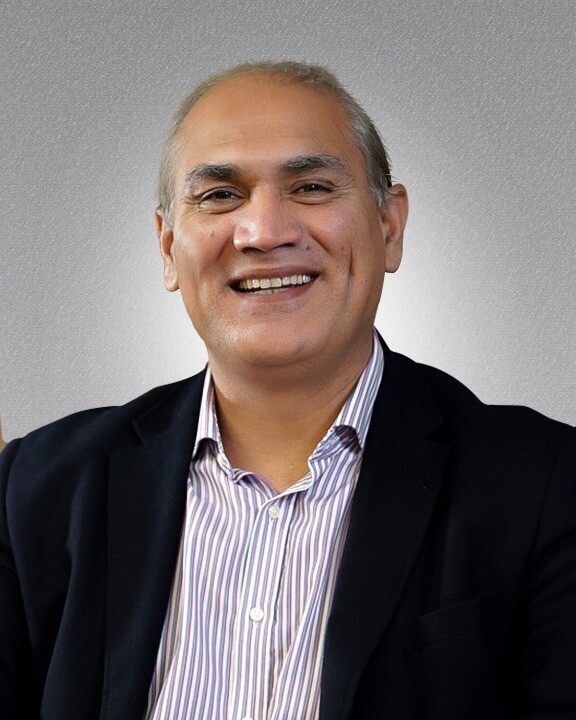
D. Sc. (Honoris Causa), SI (Sitara-e-Imtiaz) FCPS, FRCS, FEBS
Consultant Surgeon, Department of Surgery — Hepatobiliary, Pancreatic and Liver Transplant Surgery; Dean and CEO, Pakistan Kidney and Liver Institute and Research Center, Lahore.
Professor Faisal Saud Dar is hepatopancreaticobiliary/ transplant surgeon and a healthcare leader whose pioneering contributions have transformed the landscape of liver and pancreatic transplantation in Pakistan.
Prof. Faisal Dar’s pioneering work has lead to establishing and advancing living donor liver transplantation in the country, bringing it to international standards of excellence. Over the last 15 years he was able to built a sustainable liver transplant service in Pakistan. He has not only performed more than 2500 liver transplants, but also the highest number of liver resections for various indications in Pakistan. As a committed educator and mentor, Prof. Dar has trained more than 30 surgeons in the field of transplantation, many of whom are now leading programs across the country. His efforts have been instrumental in developing and strengthening the majority of transplant centres in Pakistan, ensuring sustainable growth of this highly specialized field.
Through his research and numerous peer-reviewed publications (more than 70 publications and a book chapter: Abdominal organ and tissue transplantation, chapter: living donor hepatectomy), Prof. Dar has significantly contributed to the global body of knowledge in living donor liver transplantation, influencing clinical practice well beyond national boundaries.
As a healthcare executive, he has provided the leadership as the head of the Pakistan Kidney and Liver Institute & Research Center (PKLI & RC). Under his stewardship, the institute has emerged as a center of excellence and achieved the landmark distinction of being the first public sector hospital in South Asia to receive accreditation from the Joint Commission International (JCI). He has also led the establishment of PKLI Filter Clinics across 18 districts of Punjab, creating an innovative hub-and-spoke model that improves access to high-quality care for liver and kidney diseases, bringing specialised services closer to underserved populations.
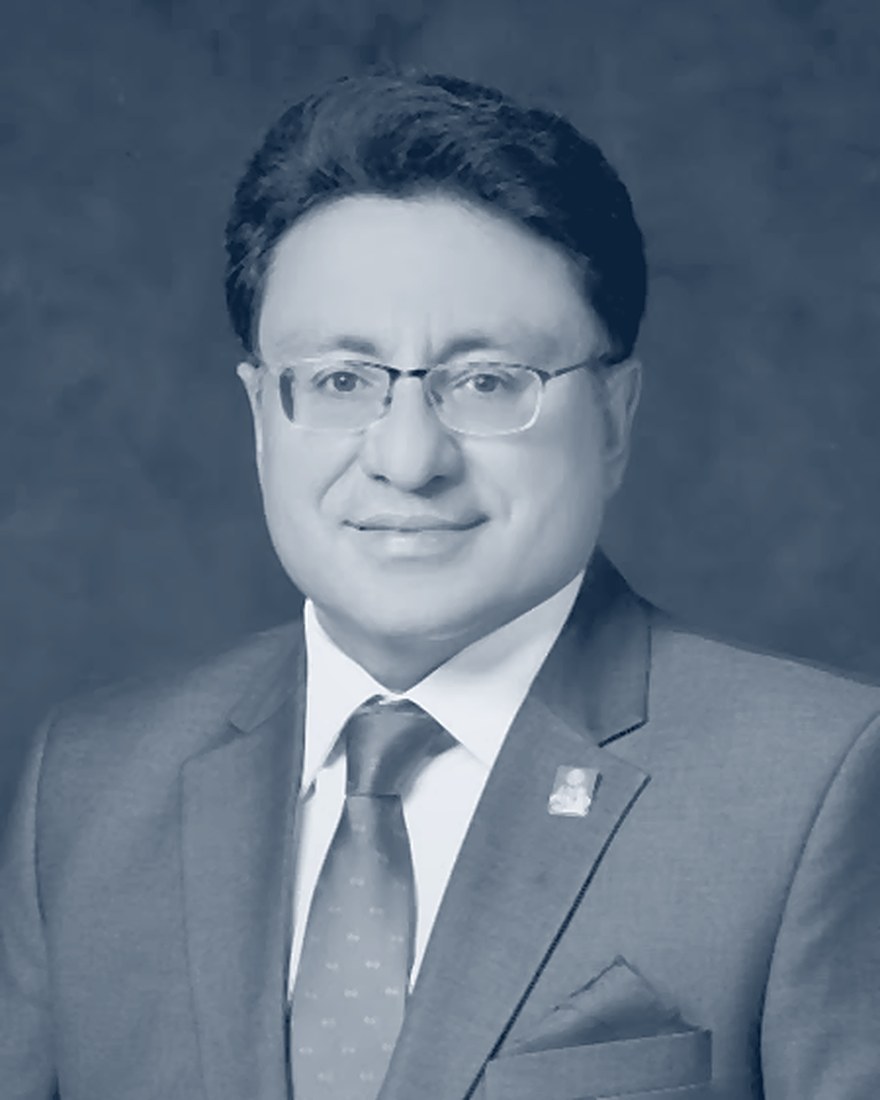
MBBS, MPhil, PhD, FPSIM — Surgeon Commander, Pakistan Navy (Honorary)
CEO, Dr. Essa Laboratory and Diagnostic Centre, Karachi; Professor of Microbiology and Immunology, LCMD; former faculty, Dow University of Health Sciences.
Prof. Dr. Farhan Essa Abdullah is a resourceful and visionary leader with over 25 years in healthcare, academia, research and public service. He has worked in the Health Department, Government of Sindh, in both rural and urban areas, and has extensive experience across the public and private sectors. He was conferred the honorary rank of Surgeon Commander, Pakistan Navy, in December 2023 in recognition of his services.
His education and training helped Pakistan during COVID-19. He was one of the main team leads for the establishment of Karachi’s first community COVID Field Isolation Centre in five days under Pakistan Army leadership, with a global record of no health or associated worker becoming infected during duty. He set up a COVID diagnostic laboratory at Darmanjah Hospital, Ormara, Balochistan with the Pakistan Navy, and Pakistan’s first airport testing laboratory at Karachi, which allowed international flights to resume. Alongside training numerous organisations on biosafety and biosecurity protocols, he led free COVID vaccination drives and started Pakistan’s first drive-through vaccination centre.
A leading promoter of vaccination, he trains, facilitates and collaborates with EPI, UNICEF and WHO teams and deploys his facilities as free vaccination points. As District Governor, Rotary International, in 2021 he helped lead the country to zero polio levels, and currently serves as Vice Chairman of the RI Pakistan Polio Plus Committee, the donor body for polio eradication.
He has published and presented over 100 research papers locally and internationally. He is Patron of the Pakistan Society of Microbiology; Member of the Management Committee, Pakistan Medical Association; Life Member, Family Medicine Association of Pakistan; Member, Biological Safety Association of Pakistan and the American Society for Microbiology; Convener, FPCCI Standing Committee on Laboratories and Diagnostic Centres; former Board Member, Red Crescent; and Ex Health Secretary, Sindh Agriculture Board. He is an accredited SIMI Level 1 International Mediator.
He is a Board Member of the Samaan-e-Shifa Foundation for indigenous medical device production, a Senate Member of Dawood University, a Board Member of KIHD and Baqai Medical University, and a Member of the Institutional Review Board, Karachi Medical & Dental College. He focuses on the promotion of health tourism in Pakistan with the Pakistan Travel Council, and is a recipient of over 200 honours including Top 100 CEOs of Pakistan. He is an advocate for the prevention of communicable diseases, women empowerment, youth development and nation building.